Trauma-informed lawyering

Building a Trauma-Informed Practice

A step-by-step trauma training program for law firms and their pro bono teams

For law firms and legal organizations, starting with the teams who work with clients in difficult situations.

Structure
Three steps; each stands on its own and is decided separately
Format
Live and virtual for all offices, with in-person options in Southern California
Audience
Pro bono teams first; open to any attorney or staff member who works with clients in difficult situations
Languages
English and Spanish

Many firms already have a well-being program in place. The next step is the culture itself: looking at the firm’s systems and norms and asking a hard question. Does the way we work add stress, or help people carry it?

  • In client work

    Missed meetings, shifting timelines, a flat or “wrong” emotional response and slow replies are often signs of a stressed nervous system, not of a lack of commitment. Lawyers who recognize these responses early can save weeks and build trust sooner.

  • In the attorneys themselves

    Practice moves fast, trials can run for weeks or months, and many lawyers absorb what their clients carry. The program gives them evidence-based tools for self-regulation, and a clear understanding of how stress and secondary trauma affect the quality of legal work.

Start small, listen first, then build

Lasting change in a law firm happens in steps, so I suggest three of them. Each step stands on its own and is decided separately. Each one is shaped by what we learn in the step before it, so the program fits the firm’s actual cases and culture.

Step 1

Leadership Consultation

The practitioners who lead the pro bono teams, about ten people.

90 minutes, virtual

  • Before the session

    A short, confidential questionnaire of about five questions on the kinds of cases they handle, where client work gets stuck, and what they want to learn.

  • Framing (15 minutes)

    How trauma shows up in clients. Missed meetings, shifting timelines, a flat or “wrong” emotional response and slow replies are often signs of a stressed nervous system, not of a lack of commitment.

  • Case consultation and questions (60 minutes)

    Leaders bring real situations from their matters, without identifying details, and I answer how to approach them: what to say, when to slow down, and when and how to refer a client to clinical support.

  • Looking ahead (15 minutes)

    What they want their teams to learn.

  • After the session

    Within two weeks, a written summary of two to three pages: the main themes and challenges raised, practical recommendations the pro bono teams can use right away, and a recommended plan for training.

Step 2

Trauma 101: Understanding Trauma in Clients and in Ourselves

Pro bono attorneys first, and open to any attorney or staff member who works with clients in difficult situations.

60 to 75 minutes, live and virtual for all offices, with an in-person option in Southern California. I can repeat the session or record it for other offices.

What participants learn

  • What trauma is and how it affects the brain, body, memory and behavior

  • How trauma shows up in clients: engagement, timelines, testimony and trust

  • Secondary and vicarious trauma: how hearing clients’ stories affects lawyers, and the early warning signs

  • When and how to refer a client, or a colleague, to clinical support

Reducing shame and self-blame.

Trauma responses such as freezing, avoiding, shutting down or overreacting are the nervous system’s way of protecting us. When people understand this, clients stop being seen as “difficult,” and attorneys stop judging themselves for struggling after a hard matter. This matters in law, where fear of being judged is one of the main reasons people don’t ask for help.

Tools practiced live in the session

  • Breathing techniques

    They calm the body within a minute or two, and attorneys can use them before a meeting, during a call or after a difficult conversation.

  • Grounding

    Such as orienting to the room, for themselves and for a distressed client.

  • End-of-day writing

    A few minutes of private writing about the emotions of the day, so attorneys can process what they absorbed at work instead of carrying it home. It is based on research on expressive writing. Participants try it in the session and keep what they write. Nothing is shared with the group.

The content is tailored with what we learn in Step 1. Learning objectives, an agenda and written materials are provided for the firm’s CLE team.

Step 3

Trauma 102 and practice workshops

A deeper series, shaped by Steps 1 and 2. Possible sessions:

  • Trauma-informed client work

    Interviewing traumatized clients, building trust, preparing clients for hearings and depositions, and working across language and culture.

  • Working under sustained pressure

    How long trials and high-stakes matters affect attention, judgment and health, and how to recover afterward. This session is designed for litigators and corporate teams as well as pro bono attorneys.

  • Experiential regulation workshops

    Small-group, in-person sessions in Southern California where attorneys practice tools for releasing stress in the body, plus short virtual “reset” sessions on a regular schedule.

Beyond Step 3

Once the teams have experienced this work, ongoing support for the pro bono teams is possible, such as regular case consultation.

How the work is grounded

  • Evidence-based.

    The program follows the six principles of SAMHSA’s trauma-informed approach: safety, trustworthiness and transparency, peer support, collaboration, empowerment and choice, and attention to cultural, historical and gender issues. The self-regulation tools are drawn from stress-physiology research, including a 2023 Stanford randomized study on breathing practices.

  • Training, not therapy.

    No one is asked to share personal experiences. I explain at the start what we will cover, give people ways to step out or ground themselves, and close with support resources, including the firm’s EAP.

  • Practical.

    Every session includes live practice, so attorneys leave with something they can use with their next client, or after their next long day in trial.

I work in English and Spanish, which is useful for many pro bono clients.

Questions

Where should a firm start?

With the 90-minute leadership consultation. The practitioners who lead the pro bono teams bring real situations from their matters, without identifying details, and within two weeks the firm receives a written summary with recommendations and a plan for training.

Do we have to commit to the whole program?

No. Each step stands on its own and is decided separately.

Can the sessions reach all of our offices?

Yes. Sessions are live and virtual for all offices, with in-person options in Southern California. A session can be repeated or recorded for other offices.

Is this therapy?

No. It is training. No one is asked to share personal experiences, and each session closes with support resources, including the firm’s EAP.

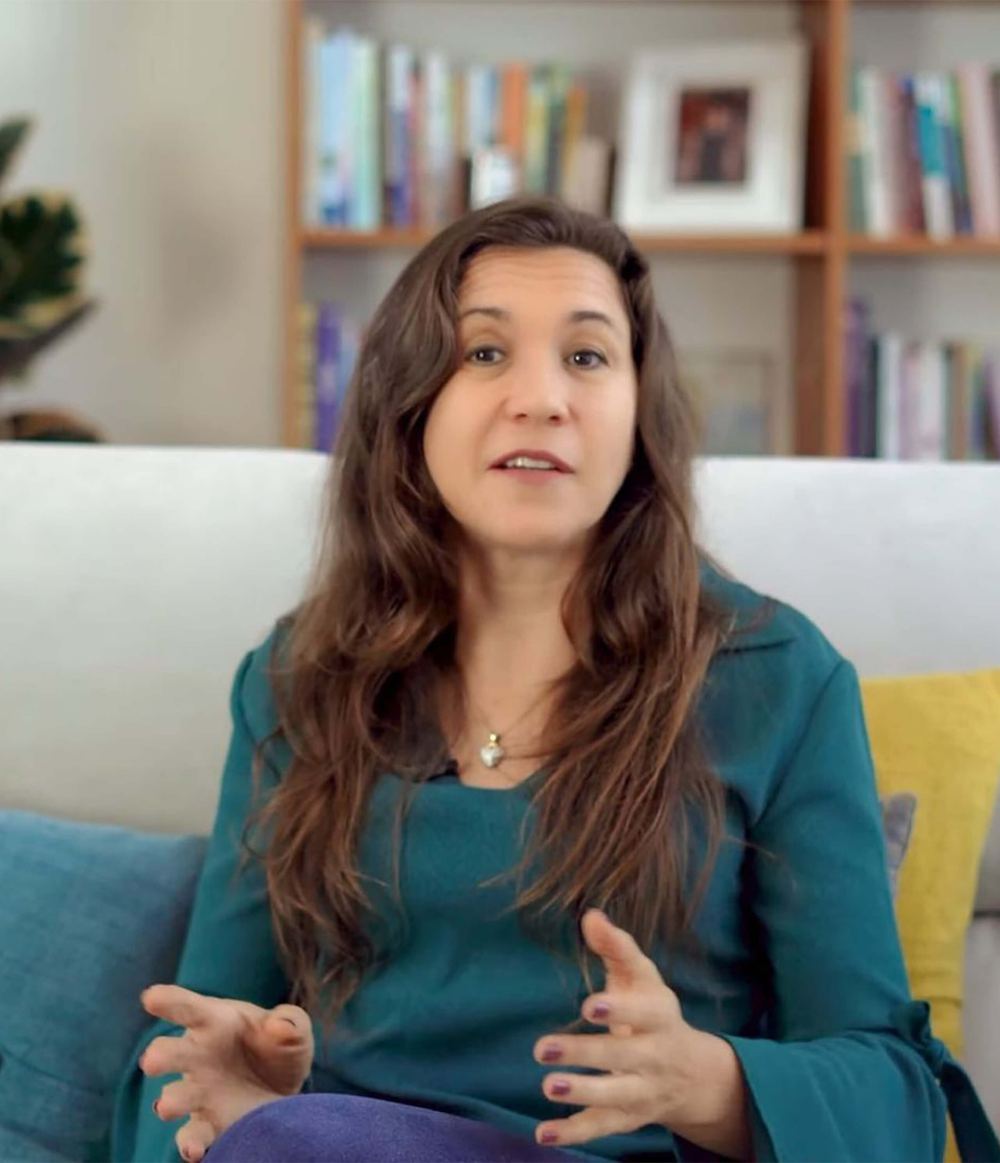
Dr. Karol Darsa speaking to the camera in front of a bookshelf

Presenter

Dr. Karol Darsa, Psy.D.

Dr. Karol Darsa, Psy.D., is a licensed psychologist in California (PSY19847) with 28 years of clinical experience. For 14 years she ran multi-site treatment programs with up to 50 staff, and she led her team through two wildfires that destroyed their buildings. Her clients have included attorneys, executives, physicians and law enforcement officers.

She is the author of The Trauma Map (2020) and The Trauma Bridge (2025), trains clinicians nationally through PESI, TPN Health and Nefesh International, and her work has been featured by Katie Couric, The Doctors, ABC and CBS. She teaches people in high-pressure work how to steady their own nervous system, quickly and discreetly.
Bring this program to your organization

Send a short note with your event date, audience and format (in person or virtual).

Book Dr. Darsa to speak

More programs

Performance under pressure

Steady Under Pressure

Under pressure, the nervous system reacts before the thinking brain catches up. Participants practice five tools they can use in real time, quietly and without anyone noticing, and leave with a daily plan.

See the program: Steady Under Pressure

Secondary trauma

The Weight of the Work

Long hours with graphic evidence, survivor testimony and clients in crisis affect sleep, focus, patience and judgment. It’s called secondary or vicarious trauma, and training makes a real difference.

See the program: The Weight of the Work