
For law firms
Well-Being and Trauma Training for Law Firms
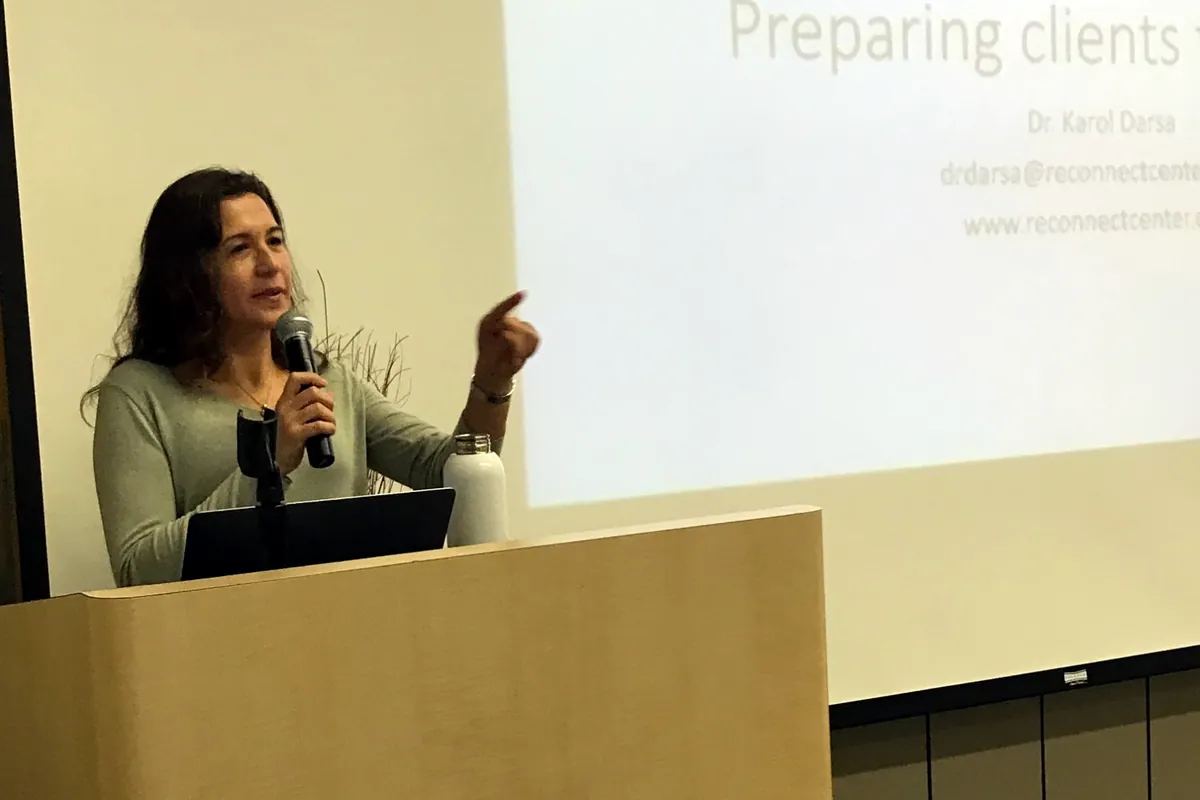
I’m a licensed psychologist in Los Angeles, and I teach attorneys how to stay clear-headed under pressure: before a hearing, on a hostile call, in the middle of a deadline. I also train legal teams to recognize trauma in clients, in colleagues and in themselves.

As featured on




Three things that affect the quality of legal work
Pressure
Under pressure, the nervous system reacts before the thinking brain catches up. Attention narrows, judgment gets rushed, and communication suffers, often in the moments that matter most: a hostile call, a deposition, a deadline that collides with three others.
Exposure
Attorneys who handle abuse and catastrophic injury cases spend long hours with graphic evidence, survivor testimony and families in crisis. Over time, that exposure affects sleep, focus, patience and judgment. It’s called secondary or vicarious trauma, and training makes a real difference.
Clients under stress
Missed meetings, shifting timelines, a flat or “wrong” emotional response and slow replies are often signs of a stressed nervous system, not of a lack of commitment. Lawyers who recognize these responses early can save weeks and build trust sooner.
Sessions and programs
Each one is live, practical and built for legal work. Most firms start with one hour.
A well-being CLE hour
Steady Under Pressure
Five discreet tools attorneys can use during client calls, depositions, hearings and deadlines, and a short daily practice that lowers baseline stress.
Secondary trauma for trial teams, defenders and prosecutors
The Weight of the Work
How trauma shows up in clients and witnesses, the early signs of secondary trauma in yourself and your team, and quick tools to reset after difficult evidence, during a trial day and at the end of the day.
Recognizing it in yourself and the people you work with
What Trauma Actually Is
A practical, jargon-free hour on what trauma is, how it shows up in behavior and the body, and how to recognize it in colleagues, in clients, and in yourself. It covers the difference between ordinary stress and a trauma response, the signs that someone is operating from one, and secondary trauma, which is especially relevant for anyone exposed to difficult client material. Staff leave with a shared language and the basic literacy to understand each other’s behavior more accurately and with less judgment. A one-hour session for all staff: attorneys, paralegals, and administrative teams.
Why it matters for performance, retention, and client service
Building a Trauma-Informed Firm
An hour focused on the organizational picture: what a trauma-informed workplace actually is, and why it’s a business issue rather than only a wellness one. It looks at how unaddressed trauma and chronic stress drive turnover, conflict, and underperformance, the core principles of a trauma-informed culture, and realistic shifts a firm can make within the realities of billable hours, hierarchy, and client demands.
A program in three steps
Building a Trauma-Informed Practice
A leadership consultation, Trauma 101, then deeper workshops, each shaped by what we learn in the step before it. It starts with the pro bono teams and is open to any attorney or staff member who works with clients in difficult situations.
Real-time tools for legal administrators and the teams they support
Steady Under Pressure for Legal Administrators
Legal administrators carry the stress of the whole firm: deadlines, staffing gaps, difficult partners, and the people problems no one else wants. This version adds how to spot early signs of overload in yourself and your staff, three sentences any manager can use to calm a tense situation, and a simple way to bring these tools to attorneys and staff.
Who I teach
- Well-being and CLE programs
- Litigation and trial teams
- Pro bono teams
- Criminal defense firms
- Public defender offices
- Prosecutors’ offices
- Legal administrators and staff
- Bar associations and sections
How it works
Live, for every office.
Sessions are taught live, virtually or in person, and can reach all offices. A session can be repeated or recorded for other offices.
Training, not therapy.
Attorneys practice each tool, and no one is asked to share anything personal.
Ready for your CLE team.
Learning objectives, a timed agenda and written materials are provided for the firm’s CLE team.
Something to keep.
Everyone leaves with a one-page reset guide.
Two languages.
I work in English and Spanish.

About me
I’m a licensed psychologist in California with 28 years of clinical experience, and for 14 of them I ran multi-site treatment programs with up to 50 staff. Many of my clients over the years have been attorneys.
I’m the author of The Trauma Map and The Trauma Bridge, I train clinicians nationally through PESI and TPN Health, and my work has been featured by Katie Couric, The Doctors, ABC and CBS.
Questions
Is this therapy?
No. It’s training. Attorneys practice each tool, and no one is asked to share anything personal.
Who should attend?
Attorneys at all levels, and legal staff are welcome. Some sessions are built for all staff: attorneys, paralegals, and administrative teams.
Can a session reach all of our offices?
Yes. Sessions are live and virtual for all offices, with in-person options in Southern California, and a session can be repeated or recorded for other offices.
Where do we start?
With a short call. Most firms begin with a one-hour session. For a larger program, a 90-minute leadership consultation is the first step, and the firm receives a written summary with recommendations and a plan for training within two weeks.
Start with a 15-minute call
Send a short note about your firm and what you have in mind, and I will reply with times for a short call to see whether this fits your CLE or well-being calendar.
Write to Dr. Darsa