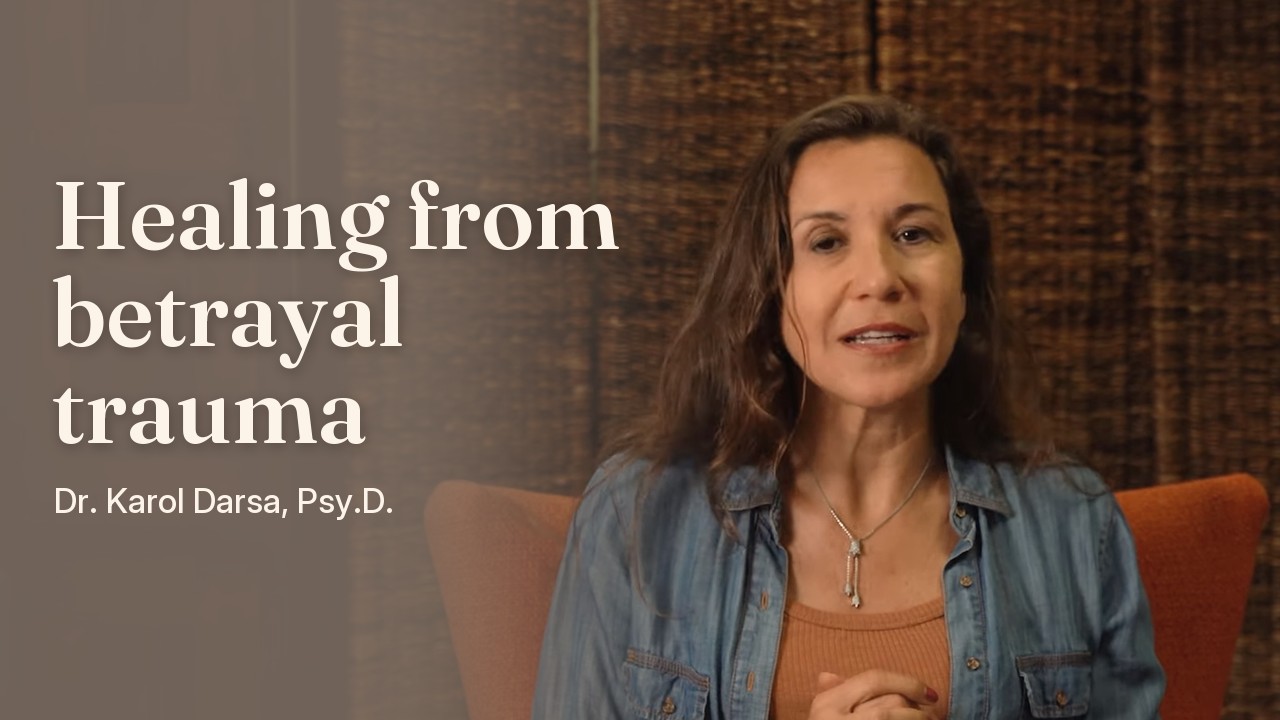
Betrayal trauma after infidelity is the shock and emotional pain that comes when the person you trusted most, often your spouse or partner, lies to you, cheats, or turns out to have a secret life. Many people think trauma only comes from violence, war or abuse. But when someone you love and trust lies to you or cheats on you, that can be traumatic too, and it helps to call it by its name.
What is betrayal trauma after infidelity?
Betrayal trauma is the pain and emotional distress that happen when someone you trust violates that trust. It can happen in families and in friendships too. Here I want to focus on romantic relationships, because that’s where I see it most often.
When you find out, it can feel like the ground was pulled out from under your feet. I’ve worked with people who discovered that their partner had a completely separate, hidden life. You can imagine the shock a person feels in front of that.
The poet William Blake wrote, “It is easier to forgive an Enemy than to forgive a Friend.” I think that’s exactly why betrayal by someone so close is traumatic. The more you love and trust someone, the more open and vulnerable you are to being hurt by them. So when the betrayal comes from that person, your whole world can feel shattered.
Sometimes betrayal feels almost like a death. Nobody died, of course. But what you knew as your life, what you believed was true, can feel dead right now.
Betrayal trauma symptoms
Can you relate to any of the following?
- Shock, or a feeling of falling with nothing to hold on to
- Anxiety
- Depression
- Pulling away from people and isolating yourself
- Reaching for alcohol, drugs or other things to numb the pain
- A sense of emptiness you can almost feel in your body
That emptiness makes sense. You built something with this person. When the picture you had of your life is taken away, it’s normal to feel like you’re falling.
Stay or leave? The decision is yours
After a betrayal, people usually go one of two ways. Some decide to stay and work on the relationship. Others decide the relationship can’t be repaired and go their separate ways. I think both paths are important to look at, because each one asks different things of you.
What’s very important is that this decision has to be made by you and only you. Be careful when you reach out to family and friends. It’s very easy for someone outside the relationship to say “Just break up” or “Give it another chance.” They may mean well, but they aren’t living your life.
Please take your time. Ideally, talk it through with a professional. You might not be able to decide right away, and that’s okay. As therapists, we often recommend that you don’t make a big decision in the middle of a crisis.
If you decide to stay
If you choose to stay with your partner, there are a lot of steps ahead. I highly recommend doing this work with a professional who specializes in betrayal trauma, not just any couples therapist. A specialist understands how couples get to this point, and whether and how the relationship can be repaired.
That process usually includes telling the truth, a time for disclosure, support for the partner who was betrayed, and new rules for the relationship going forward.
If you decide to separate
If you decide you can’t give your partner another chance, I also recommend professional help. But whether or not you can get it, here’s the number one thing I want you to know.
Don’t blame yourself
This doesn’t mean you shouldn’t look at how and why it happened. In any relationship, both people contribute something. But be careful that this looking doesn’t turn into blame: “If only I were prettier, more handsome, smarter. If only I had done this or that, maybe they wouldn’t have cheated.”
Why a person betrays a partner is complex. It isn’t as simple as “we weren’t doing well.” Esther Perel, my favorite author and speaker on this subject, has written about how some people cheat even when their relationship is going well. So you can’t automatically assume the affair means the two of you weren’t getting along. If you want to understand infidelity more deeply, her work is a good place to start.
Avoid rebound relationships
Don’t jump from this relationship straight into another one. You need time to process and to grieve. You’re grieving the relationship you knew, and maybe also the picture of your family that you believed in until now.
How to cope with betrayal trauma
Whether you stay or leave, these are the things I suggest.
Choose your support carefully
Lean on friends and family, but tell them how sensitive this is for you so they don’t rush in trying to save you. You might say, “I just need a listening ear. Please be gentle with me, this is very fragile right now.”
Also notice if the people around you start saying a lot of negative things about your partner. They may mean well, but it usually doesn’t help. No matter what your partner did, you may have shared years or a lifetime with them, and putting them down isn’t a healthy way to heal. This is one reason I often say therapy can be better for these situations. As therapists, we try to stay unbiased and objective. (If you’re the friend trying to help, my article on what not to say to a trauma survivor may be useful.)
Keep a journal
If you’ve read my book, you know I’m a big fan of journaling. Writing about your feelings every day is the cheapest form of therapy, and sometimes the most effective one. Don’t keep it all inside. Let yourself express what happened without shame, embarrassment or judgment. A journal won’t judge you back.
Take care of your body and mind
Exercise regularly. Try meditation or yoga. Some positive distraction can help too, like time with friends, volunteering or focusing on your work.
But there’s a difference between positive distraction and numbing yourself. Be careful not to turn to alcohol or drugs to just lose yourself. When you numb yourself, you skip the grieving and the lessons you need to learn.
Expect the stages of grief
Read about the stages of grief, because this will feel like a shock to your system at first. You may swing between acceptance, anger, sadness, jealousy and self-doubt. All of those feelings are okay. Validate them, without blaming yourself, and work toward accepting your new life with the right support. There are good books and support groups on betrayal trauma, and I highly recommend them.
Watch the video
I talk through betrayal trauma and the choice to stay or leave in this video.
Frequently asked questions
Can infidelity really cause trauma?
Yes. When the person you trust most lies to you or lives a double life, it can shock your whole system. People often feel anxiety, depression, emptiness and a sense that the life they knew has died.
Should I stay or leave after my partner cheated?
Only you can decide that. Try not to decide in the middle of the crisis, be careful with friends’ opinions, and if you can, talk it through with a professional first.
Was the affair my fault?
Don’t blame yourself. Both people shape a relationship, but why someone cheats is complex. Some people cheat even when the relationship is going well.
When to reach out for support
If you feel stuck in shock, you can’t make decisions, or you notice yourself numbing the pain, it’s a good time to get help. You don’t have to carry this alone.
If you are in crisis, call or text 988 (Suicide & Crisis Lifeline) or call 911.
This article is for education and isn’t a substitute for professional care. Dr. Karol Darsa, Psy.D., is a licensed psychologist in California (PSY 19847) with 28 years of experience, author of The Trauma Map, and founder of Reconnect Integrative Trauma Treatment Center.